You eat thoughtfully and exercise regularly, yet some mornings you still wake feeling sluggish, and by evening you find yourself craving something sweet. If that pattern keeps repeating, sleep deserves a closer look. It can affect facial appearance, appetite, concentration and how much you enjoy the day.
How much sleep do you need to stay well and feel energetic as you age? Recommendations such as “seven to nine hours” and “six hours or more” can sound confusing. There is also the question of what to change when you make time for sleep but still feel tired.
Three useful starting points are sleep duration, how rested you feel in the morning and the consistency of your routine. Looking at them together can help you find the rest you need and make room for it alongside food and exercise.
AT A GLANCE
- Include sleep in your fitness plans. Short sleep can affect food intake and mood. When adjusting your diet or exercise routine, check whether you have enough time to sleep, too.
- Consider your hours alongside how you feel. Seven to nine hours is a useful guide for adults. Time spent in bed and time actually asleep are different measures.
- Look at duration, restfulness and regularity together. Sleeping much longer on days off and struggling to fall asleep despite having enough time call for different approaches.
- Seek help for persistent daytime sleepiness. Loud snoring, pauses in breathing or ongoing insomnia may need medical attention alongside changes to everyday habits.
Plan for sleep alongside food and exercise
In a 2023 interview with Men’s Health, Paul Rudd ranked sleep first in his approach to fitness, followed by diet, weight training and cardio. He also questioned the practice of sleeping for only four hours and getting up early to train.
Putting sleep first changes how a workout fits into the day. Planning an early workout also means planning when to finish work the evening before. After a late night, it may make sense to adjust the timing or intensity of the next day’s exercise. A schedule that leaves room for rest may also make healthy eating and regular movement easier to sustain.
The US National Heart, Lung, and Blood Institute (NHLBI) explains that insufficient sleep can affect thinking, learning, reaction time and everyday functioning. Protecting time for sleep supports the energy and attention we bring to work, exercise and time with other people.
How sleep shows up in your face, appetite and mood
Too little sleep can show on your face
There is experimental support for the idea that tiredness shows on our faces. In a 2017 study, 25 people experienced two nights with four hours in bed per night and, on a separate occasion, two nights with eight hours. A group of 122 observers rated their photographs. After restricted sleep, participants were judged to look sleepier, less healthy and less attractive.
The differences were small, and the study examined short-term impressions rather than long-term skin aging. It does suggest that how rested we are can show in our faces. If your face looks tired, consider your recent sleep alongside your skincare routine.
When reviewing your eating habits, check your sleep
If you are trying to eat well but find yourself snacking more after short nights, it helps to consider food and sleep together. One trial tested whether extending sleep could change food intake while people went about their usual lives.
The 2022 randomized clinical trial analyzed 80 adults aged 21–40 who were overweight and usually slept less than 6.5 hours a night. Over a two-week intervention, those given individualized guidance to extend sleep slept about 1.2 hours longer per night and consumed around 270 fewer calories a day, on average, relative to the control group. They were not instructed to change their diet or exercise.
Those results came from a specific group over a short period, so they cannot be converted into a prediction of long-term weight loss. They do suggest that making more time for sleep can support efforts to eat well when sleep is regularly cut short. If late-night snacking is an issue, look at the previous night’s rest and how long you have been awake, as well as your hunger at that moment.
Rest also matters for enjoying the day
A 2024 meta-analysis of 154 experimental studies involving 5,717 participants found that total sleep deprivation, shorter sleep and disrupted sleep reduced positive emotions and increased anxiety symptoms.
When everything feels like an effort or you have little energy for other people, consider how you have been sleeping. Mood has many influences, but before attributing a loss of enthusiasm to age, check whether your routine allows enough rest. Our article on stress and healthy aging explores the relationship with emotional strain in more detail.
Supporting the health you cannot see
Sleep also changes how the heart and blood vessels work. According to the NHLBI, blood pressure and heart rate fall during non-REM sleep. Insufficient sleep and frequent waking at night are associated with a higher risk of conditions including high blood pressure and heart disease.

Changes in appearance or appetite can prompt us to pay attention to sleep. Staying well and active over the years also means caring for the less visible aspects of health that nightly rest supports.
How much sleep is enough? Understanding the different recommendations
The NHLBI recommends seven to nine hours a night for adults. Japan’s Sleep Guide for Health Promotion 2023 advises adults to get the sleep they need, using six hours or more as a guide while allowing for individual differences.
The Japanese guide also emphasizes daytime sleepiness and how rested you feel when working out your own sleep needs. That does not mean six hours is enough for everyone. If you sleep around six hours but doze off during the day or sleep much longer on days off, reconsider whether you are getting enough sleep during the workweek.
If work or other demands regularly shorten your nights, start by making more time available for sleep. Use seven to nine hours as a reference and pay attention to how you feel during the day. Needs differ between people, and extra sleep may be appropriate when recovering from sleep loss or illness.
Seven hours in bed is not seven hours asleep
Suppose you go to bed at 11:30 p.m. and get up at 6:30 a.m. That gives you seven hours in bed. If it takes 30 minutes to fall asleep and you spend another 20 minutes awake during the night, your actual sleep adds up to about six hours and ten minutes.
When planning an evening, allow for getting ready for bed and winding down as well as the sleep itself. The next morning, you can estimate how long it took you to fall asleep; there is no need to keep checking the clock during the night.
Look beyond the hours: feeling rested and keeping a steady rhythm
How rested you feel in the morning and how sleepy you are during the day
Feeling rested after sleep is another useful clue, and one emphasized in Japan’s sleep guide. Alongside your hours, notice whether you feel refreshed on waking and whether you find yourself falling asleep unintentionally during the day.
One difficult night is different from a pattern of ongoing problems. A brief morning note—“well rested,” “somewhat rested” or “not rested”—can help you notice differences between busy weeks and days off.
If your weekends shift much later, look at your weekdays, too
A study published in Sleep in 2024 used activity monitors to assess sleep regularity in more than 60,000 adults with an average age of about 63. More consistent sleep–wake patterns were associated with a lower risk of death during follow-up and were a stronger predictor than average sleep duration. This observational study did not establish that making sleep more regular would extend life.
The findings give us a reason to consider day-to-day variation alongside total hours. Imagine sleeping from midnight to 6 a.m. on weekdays, then from 2 a.m. to 11 a.m. on weekends. Short weekday nights and a later weekend schedule are both part of that pattern. Before simply setting an earlier weekend alarm, consider how to make more room for sleep during the week.
The NHLBI’s advice on healthy sleep habits recommends keeping weekday and weekend sleep schedules within about an hour of each other. Adjust evening plans so there is still enough time to sleep. If you work nights or rotating shifts, seek advice on protecting sleep around your working hours rather than trying to follow a daytime worker’s schedule.
Choose a starting point that fits your sleep difficulty
Having too little time to sleep and being unable to sleep despite having enough time are different problems. The following comparison draws on public health guidance to help you decide where to begin.
| What you are noticing | What to consider first |
|---|---|
| You have little time for sleep on weekdays and sleep much longer on days off. | Review evening work, household tasks and screen time to see where you could make more room for sleep during the week. |
| You have enough time but lie awake for long periods. | Avoid repeatedly moving bedtime earlier when you are not sleepy. Review late-day drinks and naps, and seek help if the problem continues. |
| You wake often and rarely feel rested in the morning. | Consider possible triggers such as bedtime alcohol, heat, noise or pain. Persistent difficulties deserve an assessment of the cause. |
| You have enough opportunity to sleep but remain very sleepy during the day. | Check whether anyone has noticed loud snoring or pauses in your breathing, and speak with a healthcare professional. |
If falling asleep is difficult, review the hours before bed
Sleep depends on both the need for sleep that builds while you are awake and a body clock that follows a roughly 24-hour cycle. Light and darkness help set that rhythm. Getting some outdoor light in the morning and during the day, then dimming the lights in the evening, helps keep the body clock in step with day and night. Make time for daytime movement, too.
Caffeine can affect sleep long after you finish a drink. The NHLBI notes that its effects can last around eight hours. If you want to sleep at 11 p.m. but have coffee at 5 p.m., try moving your last cup earlier. Include other sources, such as green tea, black tea and energy drinks, when reviewing your intake.
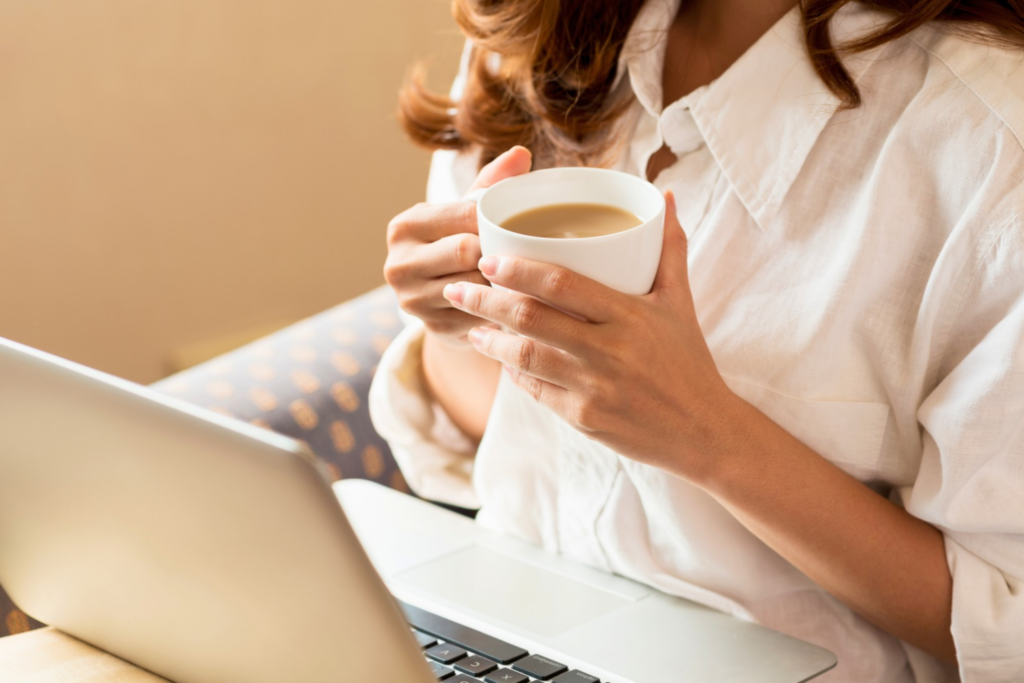
Alcohol may make you feel sleepy initially but leave you more likely to wake during the night. Notice awakenings and how you feel the next morning as well as how easily you fall asleep. Keep the bedroom dark, quiet and comfortably cool. With your phone, consider both screen brightness and whether continued scrolling is delaying bedtime.
If long or late naps make it hard to fall asleep at night, try a shorter nap earlier in the afternoon. The NHLBI suggests a limit of 20 minutes for adult naps. Choose a change that fits what you have noticed about your own routine; you do not need to overhaul everything at once.
When you have time to sleep but cannot, an earlier bedtime may not help
If you wake in the night and become increasingly frustrated while lying awake, one approach is to get out of bed, spend some quiet time in dim light and return when you feel sleepy. This helps avoid repeatedly spending long periods in bed awake.
If trouble falling or staying asleep continues and affects your daytime life, speak with a healthcare professional. The NHLBI usually recommends cognitive behavioral therapy for insomnia (CBT-I) as the first treatment for long-term insomnia. It helps address sleep-related worries and habits, including how much time you spend in bed, with professional guidance.
Loud snoring and persistent sleepiness are reasons to seek help
Loud snoring, reported pauses in breathing and waking up gasping can be signs of sleep apnea. If you experience these signs, or remain excessively sleepy despite having enough time to sleep, speak with a healthcare professional to check the cause. Do not continue driving when you feel sleepy.
Work, parenting and menopause can change sleep in your thirties, forties and fifties. Sharing household responsibilities or adjusting work arrangements may be part of the solution. When changes to personal habits are not enough, seek support from the people around you or a healthcare professional.
Making it part of everyday life
Start with a brief record of your sleep and how you feel over about a week, including workdays and days off. The NHLBI recommends using a sleep diary to help discuss sleep concerns.
- Make a short note in the morning. Record when you went to bed and got up, roughly how long it took to fall asleep, time awake during the night and how rested you feel. There is no need to watch the clock overnight.
- Add daytime observations and relevant habits. Note when you felt particularly sleepy, the time of your last caffeinated drink, and whether you drank alcohol or took a nap.
- Choose one change that fits the problem. If time for sleep is too short, try finishing an evening task 30 minutes earlier. If late-afternoon coffee seems relevant, move it earlier in the day.
- Review both your nights and days the following week. Have you slept longer? Do mornings or afternoons feel different? If difficulties persist or you have symptoms that warrant medical attention, take the record to an appointment.
Sleep helps provide the foundation for staying active and maintaining the eating and exercise habits that support a healthy life. Look at what cuts into your rest and whether any difficulties remain even when you have time to sleep. What you notice this week can help you make a more workable plan for the next.
References
- McCammon R. Paul Rudd’s Real Superpower. Men’s Health. 2023.
- Sundelin T, et al. Negative effects of restricted sleep on facial appearance and social appeal. Royal Society Open Science. 2017;4:160918.
- Tasali E, et al. Effect of Sleep Extension on Objectively Assessed Energy Intake Among Adults With Overweight in Real-life Settings: A Randomized Clinical Trial. JAMA Internal Medicine. 2022;182:365–374.
- Palmer CA, et al. Sleep loss and emotion: A systematic review and meta-analysis of over 50 years of experimental research. Psychological Bulletin. 2024;150:440–463.
- Windred DP, et al. Sleep regularity is a stronger predictor of mortality risk than sleep duration: A prospective cohort study. Sleep. 2024;47:zsad253.
- Ministry of Health, Labour and Welfare, Japan. Sleep Guide for Health Promotion 2023. English edition.
- NHLBI. How Sleep Works: Why Is Sleep Important? / How Much Sleep Is Enough? / Your Sleep/Wake Cycle.
- NHLBI. Sleep Deprivation and Deficiency: Healthy Sleep Habits / Diagnosis.
- NHLBI. Insomnia: Treatment.
- NHLBI. Sleep Apnea: Symptoms.