Work is over, but you are still mentally planning tomorrow. A message arrives on your day off and pulls your attention back to the job. Even when there is time to rest, you may not feel rested. It helps to look at both how much time you spend resting and whether you can switch off during it.
Ongoing stress can affect sleep and mood, and it is linked to heart health, immune responses, and skin problems. For anyone hoping to stay well as they grow older, those pressures deserve attention alongside diet and exercise.
What helps depends on the strain you are under. Easing tension in the moment, protecting sleep, and sharing responsibilities each address a different part of the problem. Understanding the health effects and what aging research can tell us is a starting point for choosing what to change.
AT A GLANCE
- Notice how long the strain lasts and whether you have time to recover. Brief tension is a natural response to a challenge. Persistent changes in sleep, appetite, or mood are a reason to look at the demands on your life.
- Stress can affect physical health, too. It is linked to heart health, susceptibility to infection, and skin problems. Changes in sleep and eating habits can also contribute to its effects.
- Stress has been linked to faster biological aging. The study discussed here did not test whether reducing stress slows aging, changes appearance, or extends life.
- Choose a starting point that fits your situation. Gentle breathing or movement may help you unwind. Changes to schedules and shared responsibilities can address pressures that keep returning.
Look at how long the pressure lasts and where rest fits
Your heart beats faster before an important presentation. Your muscles tense when something unexpected happens. These responses prepare you for action. MedlinePlus, a service of the U.S. National Library of Medicine, explains that short bursts of stress can help you avoid danger or meet a deadline.
Pressures involving work, money, parenting, caregiving, or relationships can continue for weeks or months. Nightly work messages or a worry with no clear end in sight can leave few opportunities to unwind. Once that becomes familiar, it is easy to accept it as normal.
The World Health Organization (WHO) lists signs of stress including difficulty sleeping or concentrating, headaches, stomach discomfort, and changes in appetite. Compare how you feel with what is usual for you: perhaps you now lie awake going over the day, or activities you once enjoyed have begun to feel like too much effort.
The stress response involves the nervous system and hormones, including cortisol, which has essential roles in energy use and immune regulation. Our article on cortisol explains its daily rhythm and functions in more detail. Here, the focus is on how everyday pressures affect health and the time available for recovery.
Stress, heart health, immunity, and skin
Heart health and susceptibility to infection
A meta-analysis of six studies following almost 119,000 people found that higher perceived stress was associated with a greater risk of coronary heart disease, which affects the blood vessels supplying the heart muscle. Stressful periods can also bring shorter nights, changes in eating habits, or more drinking, all of which deserve attention when looking after your health.
In a 1991 study of susceptibility to colds, researchers assessed stress in 394 healthy adults, gave them nasal drops containing viruses that can cause colds, and monitored what happened. Higher stress before exposure was associated with a greater likelihood of both becoming infected and developing a cold.
These findings describe patterns across groups and cannot tell an individual whether they will become ill. They give us another reason to consider how much rest a daily routine allows, alongside factors such as blood pressure and eating habits. If busy periods repeatedly cut into sleep, it is sensible to review your schedule before your health suffers.
Skin recovery and flare-ups
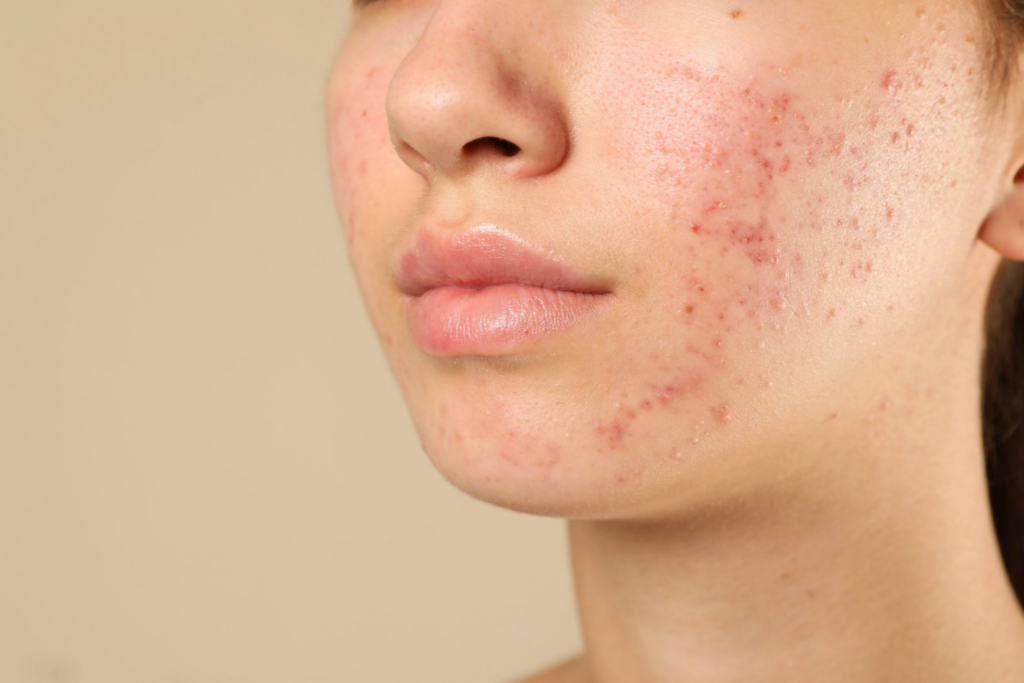
During a demanding period, skin may become more irritated or itching may linger. The outer skin barrier helps retain moisture and protect against irritants. Researchers have examined how its recovery relates to stress.
In a small study of 27 medical, dental, and pharmacy students, the skin barrier recovered more slowly after researchers temporarily disrupted it with adhesive tape during the stressful examination period. Among the 17 students assessed again afterward, lower reported stress was accompanied by recovery rates returning to levels comparable with those before the exams.
The American Academy of Dermatology (AAD) also explains that stress can worsen acne and contribute to itching and longer eczema flares. It recommends addressing stress alongside appropriate skin treatment.
When skin problems persist, it makes sense to consider recent pressures and sleep as well as your skin care. Avoid assuming that stress explains everything. A dermatologist can assess symptoms that continue and advise on treatment.
Does stress speed up aging? What the research can tell us
A 2023 analysis from New Zealand’s Dunedin Study examined stress assessed between ages 32 and 45 and the pace of biological aging in 955 people. To estimate that pace, researchers used repeated measurements of 19 health markers, including blood pressure, blood sugar control, and lung function, taken between ages 26 and 45. Participants who reported more stress or had experienced more stressful life events tended to age faster by this measure.
The findings suggest a link between ongoing strain and physical changes in midlife. The study did not test whether reducing stress slows biological aging, and its measure of aging is different from how old someone looks. It cannot establish that meditation makes people younger or that removing worries extends life.
In daily life, a useful question is what the pressure has crowded out. Are you sleeping less? Rushing meals? Missing the exercise or time with friends that you used to enjoy? Those changes are easier to recognize in your own life than an abstract measure of aging.
Sleeping well, staying active, and enjoying life all need time and some breathing room. If ongoing pressure is crowding them out, addressing it can help make those habits possible again.
Choose a response that fits the situation
Feeling worn out can mean different things. You may be tense after a demanding task, unable to stop thinking about a problem, or simply short of time to rest. Start with the situation that is troubling you most.
| What is happening? | A possible first step | What may need to change |
|---|---|---|
| You still feel physically tense after a meeting or task. | Sit comfortably and try gentle breathing. | Are tasks scheduled back to back? Could you leave a short break between them? |
| You keep replaying events or worrying about tomorrow. | Bring attention back to your breath or the feeling of your feet on the ground. A short walk is another option. | Are you checking work messages or the news right up to bedtime? |
| Exercise or household tasks leave too little time for sleep. | Adjust the workout or decide which chores can wait. | Does the schedule assume that everything must be done every day? |
| Work, parenting, or caregiving pressures return as soon as a break ends. | Tell someone you trust which tasks you are struggling with. | Could you discuss sharing tasks, changing deadlines, or finding outside support? |
Breathing and mindfulness for tense moments
The UK National Health Service (NHS) describes a gentle breathing exercise that needs no equipment and can be done in a chair. Sit comfortably with your back supported and both feet on the floor. Breathe in gently through your nose and out through your mouth, without forcing a deeper breath than feels comfortable. The NHS recommends continuing for at least five minutes and practicing regularly. If you feel dizzy or short of breath, stop and return to your usual breathing.
Mindfulness offers another way to shift attention when thoughts keep circling. It involves returning to the breath or sensations in the body. You do not have to empty your mind; when you notice it has wandered, bring your attention back.
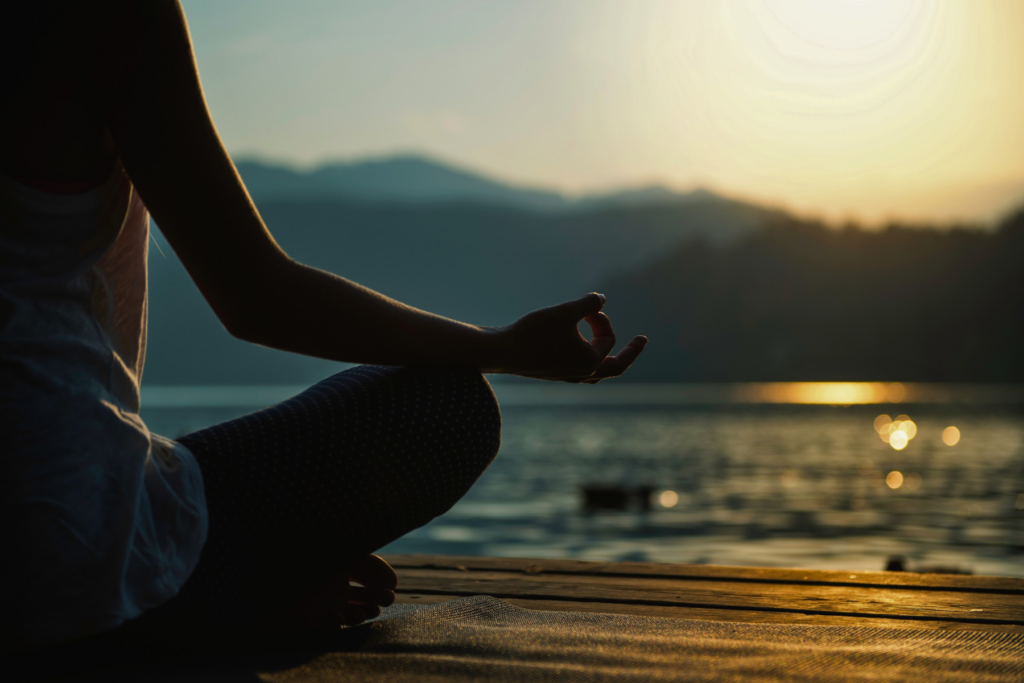
In a 2024 trial involving 2,239 participants across 37 sites, people who followed brief audio-guided mindfulness exercises reported less stress immediately afterward than those in the control group. The study mainly involved young adults and measured short-term effects. A brief practice may offer a pause when you feel caught up in recurring thoughts.
If focusing inward makes you feel worse, there is no need to persist. Open your eyes and look around, take a short walk, or talk with someone you feel comfortable with. Choose a way of settling that feels manageable.
Use movement to unwind, while protecting sleep
A 2023 overview of 97 reviews found that interventions to increase physical activity improved symptoms of depression, anxiety, and psychological distress. Walking, dancing, cycling, and strength training can support mental well-being as well as physical fitness.
If you have been sitting and turning a problem over in your mind, a walk at lunchtime may offer a change of pace. If you are exhausted, a lighter workout or a rest day may be more appropriate. Before fitting exercise into an already crowded day, consider the fatigue afterward and how much time will remain for sleep.
In a 2023 Men’s Health interview, Paul Rudd ranked sleep first in his approach to fitness, followed by diet, weights, and cardio. He questioned the wisdom of getting up to train after only four hours of sleep and emphasized the value of getting eight hours.
When planning a morning workout, consider what time you can get to bed the night before. A shorter or less demanding session can be an option on days when sleep is short.
Give the evening a stopping point
The WHO’s guidance on stress recommends enough sleep, a regular routine, physical activity, and contact with people you trust. Alongside the practical advice in our article on sleep, consider what is still keeping you occupied as bedtime approaches.
You might set a final time to check work messages and then silence notifications if you can. If tomorrow’s tasks are on your mind, write down the concern and a possible next step. When following the news or social media leaves you more unsettled, close the screen. Start with one situation in which tension tends to carry over into the evening.
Rest can be hard to find if it has to wait until every job is finished. A short walk after lunch or a cup of tea when you get home can make a pause part of your routine. Notice whether you feel more settled afterward or whether a different kind of break would suit you better.
When the same pressures keep returning
A breathing exercise may help you feel calmer, even though the same workload or caregiving demands will be there the next day. Alongside making time to rest, it may be necessary to discuss changes to the circumstances causing the strain.
The WHO’s guidance on mental health at work identifies excessive workloads and limited control over work as risks, and recommends measures that directly address working conditions. The responsibility for managing an excessive workload should not fall entirely on the person trying to cope with it.
Be specific about what is difficult and the help you need. You might say, “Two assignments are due this week. Could we agree on which comes first?” Or, “I’ve been taking a family member to appointments. Could you go with them once next week?” If responsibilities cannot be shared immediately, there may still be room to discuss deadlines, frequency, or outside support.
Some circumstances are hard to change alone. Talking with someone you trust, a workplace support service, or a community organization can be a practical step toward finding help and reclaiming time to rest.
When to seek more support
If trouble sleeping or eating, anxiety, or a low mood persists, speak with a health professional or qualified mental health practitioner. The same applies if you are struggling to manage work or household tasks, or increasingly avoiding people and activities. The U.S. National Institute of Mental Health (NIMH) recommends professional support when symptoms persist, are difficult to cope with, or interfere with everyday life.
Headaches, palpitations, and stomach problems should not automatically be attributed to stress. New or unusual symptoms deserve medical assessment. If you feel too overwhelmed to keep trying self-care, you can seek help rather than continuing to search for another technique on your own.
Making it part of everyday life
- Notice one recent change from what is usual for you. It might involve sleep, appetite, mood, or the time you have for things you enjoy. Put that change into words.
- Try one way to ease the strain in the moment. Gentle breathing, a short walk, or a conversation with someone you trust can offer different starting points. Choose according to your energy and how you feel.
- Review one demand that is getting in the way of rest. It might be late-night work messages, workouts that leave too little time for sleep, or a household task you have taken on.
After a few days, notice how things are going. Alongside your mood, consider whether you are finishing work earlier in the evening or feeling less worn out the next day. If a calming practice helps but there is still too little time to rest, the schedule may need attention too. Over time, making space for sleep and things you enjoy can help you keep up the habits that support your health.
References
- MedlinePlus. Stress and your health. The stress response, signs of ongoing strain, and when to seek care.
- Richardson S, et al. (2012). Meta-analysis of perceived stress and its association with incident coronary heart disease. American Journal of Cardiology, 110, 1711–1716. DOI: 10.1016/j.amjcard.2012.08.004.
- Cohen S, et al. (1991). Psychological stress and susceptibility to the common cold. New England Journal of Medicine, 325, 606–612. DOI: 10.1056/NEJM199108293250903.
- Garg A, et al. (2001). Psychological stress perturbs epidermal permeability barrier homeostasis: implications for the pathogenesis of stress-associated skin disorders. Archives of Dermatology, 137, 53–59. DOI: 10.1001/archderm.137.1.53.
- American Academy of Dermatology. 6 skin and hair conditions linked to stress. Stress, skin symptoms, and combining treatment with stress management.
- Bourassa KJ, et al. (2023). Which types of stress are associated with accelerated biological aging? Comparing perceived stress, stressful life events, childhood adversity, and posttraumatic stress disorder. Psychosomatic Medicine, 85, 389–396. DOI: 10.1097/PSY.0000000000001197.
- NHS. Breathing exercises for stress. Instructions for gentle breathing.
- Singh B, et al. (2023). Effectiveness of physical activity interventions for improving depression, anxiety and distress: an overview of systematic reviews. British Journal of Sports Medicine, 57, 1203–1209. DOI: 10.1136/bjsports-2022-106195.
- Sparacio A, et al. (2024). Self-administered mindfulness interventions reduce stress in a large, randomized controlled multi-site study. Nature Human Behaviour, 8, 1716–1725. DOI: 10.1038/s41562-024-01907-7.
- Men’s Health. (2023). Paul Rudd on Ant-Man and the Wasp: Quantumania, Aging, and Happiness. An interview discussing his emphasis on sleep.
- World Health Organization. Stress. Signs of stress and guidance on sleep, activity, and social support.
- World Health Organization. Mental health at work. Risks at work and measures addressing working conditions.
- National Institute of Mental Health. I’m So Stressed Out! Fact Sheet. Coping strategies and when to seek professional support.