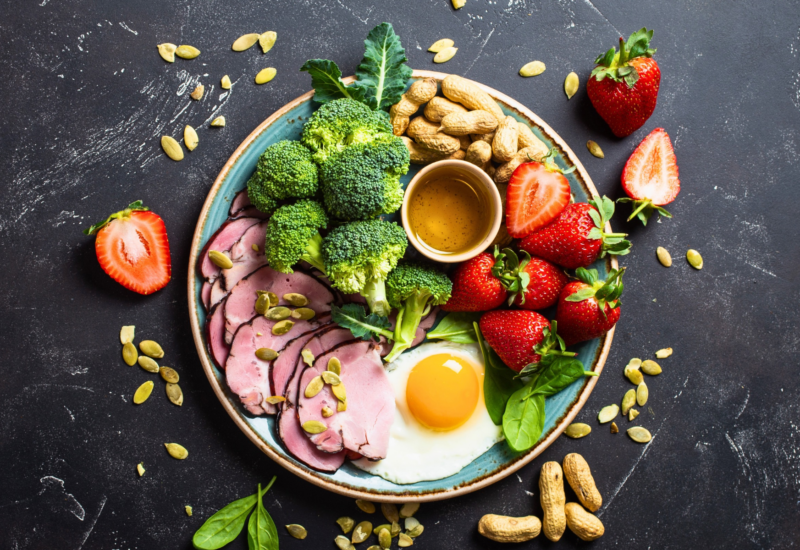
A boiled egg beside your breakfast toast or an egg cooked into vegetable soup can be a simple way to add protein to a familiar meal. Each egg provides about 6 g, along with choline, vitamin D and other nutrients the body needs.
Eating well as we get older helps us stay active and keep doing the things we enjoy. Eggs have a practical place in that picture: they supply several nutrients in a small portion and are easy to work into breakfast, lunch or dinner.
How do those nutrients relate to muscle, brain, eye and bone health? Can you eat eggs every day? Understanding what eggs offer, and what to serve with them, makes it easier to find a place for them in your own diet.
AT A GLANCE
- One egg provides about 6 g of protein. It is an easy addition to a meal and supplies material the body uses to build and maintain tissues, including muscle.
- Eggs offer more than protein. Choline is needed for nerve function, vitamin D supports bone health, and eggs also contain pigments involved in eye health.
- Build a meal with vegetables, beans and grains. These foods can add the fiber eggs lack while helping you meet your energy and nutrient needs.
- Consider your health and your overall diet when deciding how many to eat. The American Heart Association says healthy people can include up to one whole egg a day. People with high LDL cholesterol need individual advice.
What nutrients are in an egg?
The table below uses Japan’s official food composition database (MEXT), with a 50 g edible portion of raw whole egg as the reference for one egg. “Whole egg” includes both yolk and white; the weight excludes the shell. Actual amounts vary with egg size and preparation.
| Nutrient | Approximate amount per egg (50 g edible portion) |
|---|---|
| Energy | 71 kcal |
| Protein | 6.1 g |
| Fat | 5.1 g |
| Vitamin A (retinol activity equivalents) | 105 mcg RAE |
| Vitamin D | 1.9 mcg |
| Vitamin B2 (riboflavin) | 0.19 mg |
| Vitamin B12 | 0.55 mcg |
| Cholesterol | 185 mg |
| Fiber | 0 g |
An egg adds protein and several vitamins at once, which can be useful when breakfast tends to be toast and coffee.
The yolk contains fat as well as vitamins A and D, choline and other nutrients. The white supplies protein too. Eating a whole egg brings these nutrients together; using whites or a mix of whole eggs and whites can be useful when adjusting a meal’s protein and fat content.
How egg nutrients support muscle, brain, eye and bone health
Protein to help maintain muscle

Protein provides material for muscles, organs, skin and other tissues. Eggs contain all nine essential amino acids, which the body needs to obtain from food. That makes them a convenient protein source when eating to maintain strength and mobility as you age.
For context, Japan’s 2025 Dietary Reference Intakes recommend 65 g of protein a day for healthy men aged 18–64 and 50 g for healthy women in the same age range. These are reference amounts for habitual intake intended to meet the needs of almost everyone in those groups. Individual needs also depend on factors such as body size and activity level.
One egg supplies roughly a tenth of that 50–65 g range. Adding yogurt or natto (fermented soybeans) to an egg breakfast provides more protein. Fish, meat or tofu at other meals can help spread protein intake across the day.
Regular resistance exercise also helps maintain muscle strength. Our article on strength training and healthy aging looks at how to support that strength through movement as well as food.
Choline for brain and nerve function

Choline is needed to make components of cell membranes and a neurotransmitter involved in memory and muscle control. Eggs are one dietary source. The U.S. National Institutes of Health (NIH) lists 147 mg of choline in one large hard-boiled egg. This figure comes from U.S. food composition data; the table above uses Japanese data for a 50 g portion of raw egg.
The body produces some choline, but food is still needed to supply enough. Fish, meat and soy foods provide it too, so eggs can be one of several sources in a varied diet.
Vitamin A and pigments involved in eye health

Eggs contain vitamin A, which is essential for normal vision. It is involved in the eye’s response to light and helps maintain the tissues on the surface of the eye.
Lutein and zeaxanthin are pigments also found in the macula, the part of the retina responsible for detailed central vision. The American Academy of Ophthalmology lists eggs, spinach, kale and broccoli among foods that supply them. Serving eggs with green vegetables brings these nutrients to the plate along with fiber.
Vitamin D for bone health
Vitamin D helps the body absorb calcium and maintain healthy bones. In eggs, it is found mainly in the yolk; the 50 g portion used here supplies about 1.9 mcg. Eggs are one dietary source, alongside foods such as fish.
Foods that supply calcium belong in that eating pattern too. Milk or yogurt with an egg breakfast, or a side dish of small fish eaten with their bones, can help provide calcium alongside the vitamin D in eggs.
Can eggs help you age well?
Eggs provide nutrients needed to maintain muscles, bones and nerve function as we age. Eating them has not been shown to slow aging or make people look younger.
A practical question is whether eggs can fill a gap in your current meals. If breakfast contains little protein, an egg can be a helpful addition. If you already eat plenty of eggs, fish and meat but few vegetables or beans, adding those foods may do more to improve the balance of your diet.
Can you eat eggs every day? Cholesterol and portions
Most of an egg’s cholesterol is in the yolk. The 50 g whole egg used here contains about 185 mg. The American Heart Association (AHA) says healthy people can include up to one whole egg a day, a useful reference point when considering a regular habit.
A widely cited 2020 study and meta-analysis published in The BMJ found that moderate egg consumption, up to one egg a day, was not associated with a higher risk of cardiovascular disease overall. The evidence came from observational studies, so the result cannot be assumed to apply to every health condition or to higher intakes.
If you have high LDL (“bad”) cholesterol or are being treated for a lipid disorder, discuss an appropriate intake with your clinician or a registered dietitian. The AHA advises caution with eggs in people with abnormal blood lipids. Saturated fat from foods such as butter and fatty cuts of meat can also raise LDL cholesterol.
If eggs with bacon and plenty of butter are a breakfast staple, try eggs with beans or vegetables on some days. The rest of the meal deserves attention alongside the number of eggs.
What to serve with eggs: comparing everyday combinations
Eggs contain no fiber. Beans, including natto, vegetables and whole grains can help supply it as part of the same meal.
To add protein, you could increase the number of eggs or pair an egg with another food. Here is how one whole egg, two whole eggs, and one egg with 40 g of natto compare.
| Food combination | Protein | Energy | Fat | Fiber |
|---|---|---|---|---|
| 1 whole egg | 6.1 g | 71 kcal | 5.1 g | 0 g |
| 2 whole eggs | 12.2 g | 142 kcal | 10.2 g | 0 g |
| 1 whole egg + 40 g natto | 12.7 g | 145 kcal | 9.1 g | 3.8 g |
Calculated from MEXT entries for raw whole egg and natto. Each egg is a 50 g edible portion weighed before cooking. Figures are rounded and exclude cooking oil, sauces, grains and side dishes.
Two eggs and one egg with 40 g of natto provide almost the same protein and energy. The natto combination also supplies 3.8 g of fiber. Cholesterol from the eggs is about 370 mg with two whole eggs, compared with 185 mg with one. Adding natto is one way to increase protein without increasing the number of eggs.
Grains and vegetables offer other useful pairings. Toast with an egg and vegetable soup, or oatmeal served with a cooked egg, supplies energy for the day as well as protein. An omelet with spinach or broccoli makes eggs and vegetables easy to prepare in one dish.
These pairings also appear in the eating habits of people featured at Ageless People. In a 2023 CNA interview, Chuando Tan named oatmeal with eggs as one breakfast option. Paul Rudd’s trainer also listed eggs and oatmeal in the sample meal plan he described in 2018 for Ant-Man and the Wasp.
In a 2026 Men’s Health interview, Lenny Kravitz described eating eggs within a diet centered on plant foods. One meal he mentioned was an egg white omelet filled with vegetables.
When the aim is to add protein without much extra fat, egg whites can be added to a whole egg. The yolk’s vitamins and choline are also worth considering when choosing a combination that fits your meals and health needs.
Cooking and storing eggs for everyday meals

Cooking offers an advantage for protein digestion. In a 1999 comparison involving 10 healthy adults, a greater proportion of egg protein was digested and absorbed in the small intestine after a cooked meal than after the same meal in raw form. Boiled eggs, an omelet or eggs cooked into soup can all be practical choices.
Boiling or steaming eggs avoids adding cooking fat. An omelet or a soup full of vegetables can combine parts of a meal in one dish. With recipes that use plenty of butter or mayonnaise, include those ingredients when considering the meal’s fat content.
Follow the storage instructions on the carton, keep eggs refrigerated as directed, and crack them only when you are ready to use them. Do not leave cracked eggs sitting at room temperature. For dishes served raw or undercooked, the U.S. Food and Drug Administration recommends pasteurized shell eggs or pasteurized egg products. A date on the carton alone does not establish that an egg is suitable to eat raw.
Japan’s Food Safety Commission advises thoroughly cooked egg dishes for older adults, pregnant people and those with weakened immune systems. Cook until both the white and yolk are firm.
Putting it into practice
- Add an egg to a breakfast that is short on protein. A boiled egg or a small omelet can round out a morning meal that is usually just toast and coffee, or rice and miso soup.
- Pair eggs with vegetables or beans. Natto alongside an egg, or spinach folded into an omelet, adds fiber as well as variety to a familiar meal.
- Adjust your intake to your health needs. Get individual advice if your LDL cholesterol is high, and consider side dishes and cooking fats as part of the same meal.
References
- MEXT, Food Composition Database: raw whole hen’s egg, raw egg white, raw egg yolk and natto. Sources for the nutrient values and meal comparisons.
- Japan’s Ministry of Health, Labour and Welfare, e-Health Net: Protein (Japanese). Protein’s functions and recommended intakes from the Dietary Reference Intakes for Japanese (2025).
- NIH Office of Dietary Supplements: Choline, Vitamin A and Carotenoids, Vitamin D and Calcium. Health professional fact sheets on nutrient functions and food sources.
- American Academy of Ophthalmology: Fabulous Foods to Boost Eye Health. Food sources of lutein and zeaxanthin.
- American Heart Association: Protein: What’s Enough? Guidance on eggs, abnormal blood lipids and protein food choices.
- Drouin-Chartier JP, et al. The BMJ (2020): Egg consumption and risk of cardiovascular disease: three large prospective US cohort studies, systematic review, and updated meta-analysis.
- Evenepoel P, et al. American Journal of Physiology (1999): Amount and fate of egg protein escaping assimilation in the small intestine of humans.
- Food Safety Commission of Japan: Food Safety Hotline Q&A, biological hazards (Japanese), section IV-3 on safe egg handling.
- U.S. Food and Drug Administration: What You Need to Know About Egg Safety. Guidance on storage, cooking and pasteurized eggs.
- CNA Lifestyle (2023): Model Chuando Tan on the pressures of looking great at 56. An interview discussing his breakfast choices.
- Men’s Journal (2018): How Paul Rudd Got Even More Shredded for Ant-Man and The Wasp. His trainer’s account of a training and meal plan for the role.
- Men’s Health (2026): How Lenny Kravitz Builds His Famous Abs at 62. An interview discussing his food choices, including a vegetable omelet made with egg whites.